Back to all articles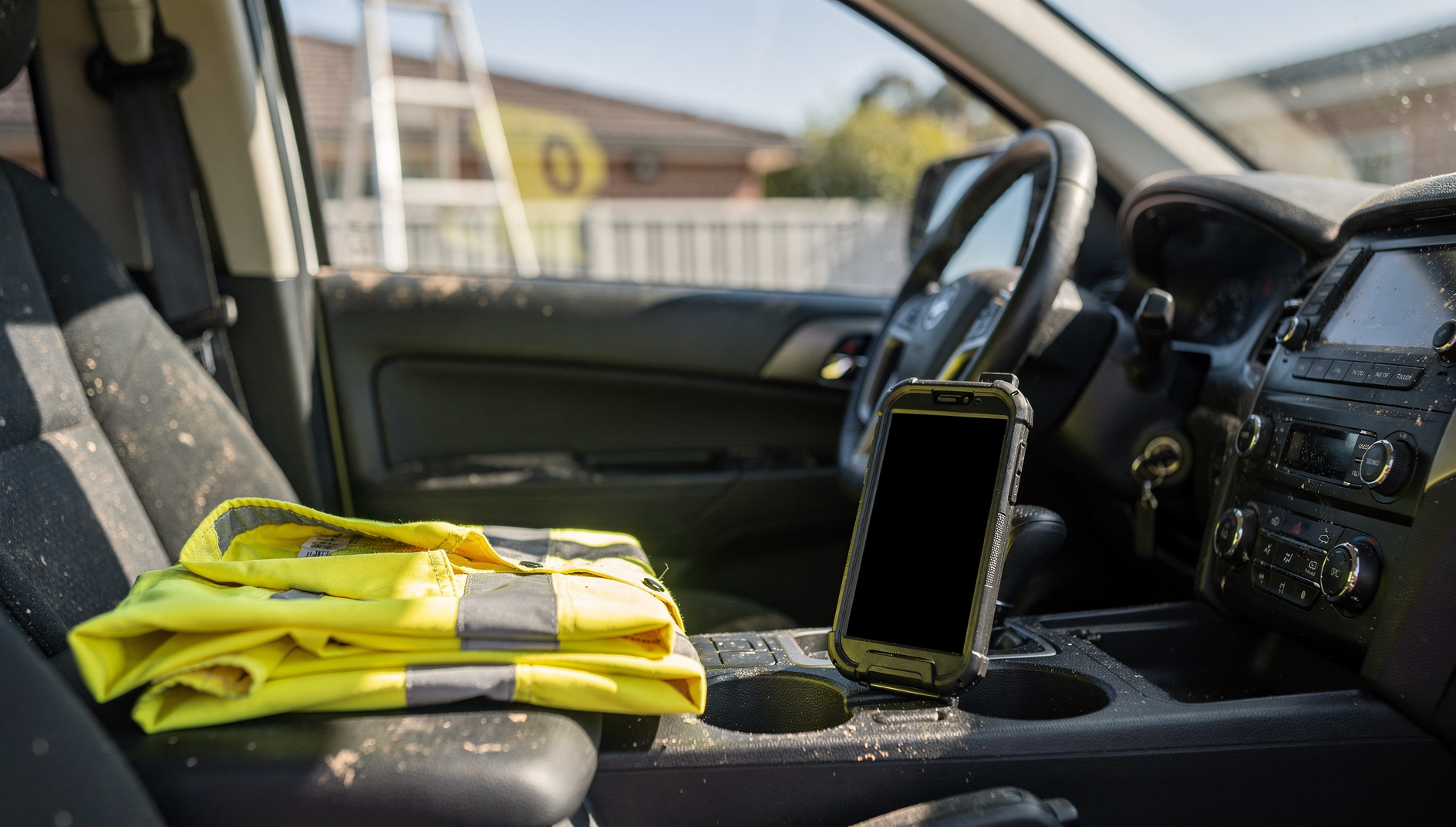
Insight16 February 20265 min read
AI for Tradies: Why Missed Calls Are Costing You More Than You Think
R
Riverstone Team
Riverstone Labs
Riverstone Team
Riverstone Labs
Your crew is on site. The phone rings. You cannot answer it without stopping work, climbing down, or washing hands — so the call rolls to voicemail. For many trade and field-service businesses, that small moment happens dozens of times a week. It is easy to normalise. It is also one of the most expensive habits in the operation, because the person on the other end is usually trying to spend money with you right now.
This article is not about hype. It is about the economics of responsiveness, the limits of voicemail, and what a sensible AI-assisted phone workflow looks like when it is wired into job management — including when to hand off to a human.
You do not need a perfect model to see the shape of the problem. If a handful of inbound calls go unanswered on a busy day, and each caller had a reasonable chance of becoming a job, the opportunity cost adds up fast. Industry commentary and field-service surveys often cite high rates of unanswered calls during working hours for small trade businesses; exact percentages vary by study, but the mechanism is consistent: mobile search → tap call → if no answer, tap the next result.
Whether an average job is a few hundred dollars or a few thousand, the leak is not “one missed call.” It is missed calls × conversion rate × job value, repeated across the year. Most owners intuit this; fewer put a number on it. Doing so — even with conservative assumptions — usually makes prioritising phone coverage easier to justify.
Voicemail is not useless, but it is a weak competitor to an immediate answer when the customer is mid-crisis — burst pipe, safety issue, or a deadline on site. Callers often do not leave messages. They move on.
Human answering services can work, but quality depends on training, scripts, and continuity. Cost is usually ongoing. If the service cannot book into your systems, you still pay admin time to translate messages into jobs.
Doing nothing is the default. It is also the option with the hidden invoice: lost jobs you never see in analytics because they never entered the funnel.
“AI answering” in a production setup is closer to a staffed front desk with a checklist than to a sci-fi companion. A workable system:
What it is not: a replacement for licensed advice, safety-critical triage without human backup, or a black box that books jobs you never review.
The difference between a neat demo and a useful system is whether the call creates or updates work in the tools you already use — ServiceM8, Tradify, Fergus, Simpro, AroFlo, or whatever sits at the centre of your operation. If your team still re-types every call into a job card, you have saved the ringtone but not the admin.
Good integrations reduce double entry, cut transcription errors, and make reporting honest: you can see how many calls became jobs, how many needed follow-up, and where drop-offs happen.
For trade businesses that want 24/7 pickup with predictable monthly pricing and fast setup, OfficeCrew AI is built around this problem set: answer the call, capture the job, connect to scheduling workflows, and keep the handoff to humans clean when the situation demands it. It is not the only way to solve phone coverage — but it is a structured option when “hire another full-time admin” is not on the cards.
Responsiveness shows up in places owners do measure: Google reviews, referral tone, and whether commercial clients trust you with larger packages. A reliable phone + booking loop does not guarantee five stars, but chronic missed calls reliably starve growth.
If you want a sober look at how many calls you are likely missing, what they might be worth, and what a production-grade phone → booking workflow would take in your stack, book a free assessment with Riverstone Labs. We focus on implementation, ROI, and human oversight — not slide decks.
Industry deep dive:
Service capability:
Want this implemented in your business? Book a Diagnose call — free 30-minute consultation, no pitch.
Book a free 15-minute assessment. We'll look at your operations and identify the highest-ROI automation opportunities.
Book your free assessment